Understanding gambling addiction its hidden consequences in casino environments
The Nature of Gambling Addiction
Gambling addiction, often referred to as compulsive gambling, is a behavioral disorder characterized by an uncontrollable urge to gamble despite the negative consequences that may arise. This addiction can manifest in various forms, whether through traditional brick-and-mortar casinos or online platforms. Individuals who struggle with this addiction may find themselves prioritizing gambling over their personal and professional responsibilities, leading to devastating effects on their lives. Many may explore best non gamstop casinos as an alternative, seeking a different kind of gaming experience.
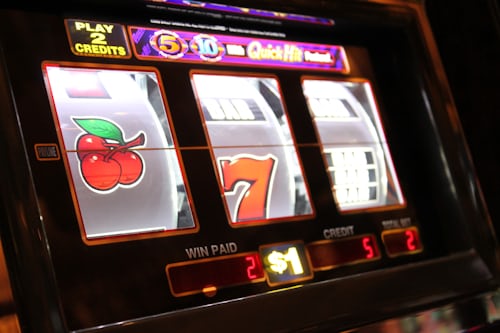
The thrill of betting can create a temporary escape, providing a rush that entices individuals to return repeatedly. Unfortunately, the allure of winning can quickly spiral into a dependence, where individuals feel compelled to gamble to experience the same exhilaration, often leading to severe emotional and financial distress.
The Emotional and Financial Toll
The emotional impact of gambling addiction is profound, often leading to feelings of guilt, shame, and isolation. Individuals may experience anxiety or depression, as the compulsive behavior takes a toll on relationships and mental health. Families can suffer as loved ones struggle to understand the compulsive nature of the addiction, leading to conflicts and breakdowns in communication.
Financially, the consequences can be devastating. Those with gambling addiction may deplete their savings, incur debt, or even engage in illegal activities to fund their gambling habits. The cycle of chasing losses often exacerbates the situation, creating a downward spiral that can be challenging to escape.
The Role of Casino Environments
Casino environments, whether physical or digital, play a significant role in the development and perpetuation of gambling addiction. Land-based casinos are designed with a range of stimuli to keep players engaged. Bright lights, sounds of winnings, and free drinks create an atmosphere that encourages prolonged play, often blurring the lines between entertainment and addiction.
Online casinos introduce additional challenges, as accessibility is significantly increased. Players can gamble from the comfort of their homes, often leading to more frequent gambling sessions. The anonymity of online gambling can also exacerbate the addiction, as individuals may feel less accountable for their actions. This combination of factors makes both environments ripe for fostering unhealthy gambling behaviors.
Recognizing the Signs of Gambling Addiction
Recognizing the signs of gambling addiction is crucial for early intervention. Common indicators include preoccupation with gambling, increased tolerance requiring higher bets to achieve the same thrill, and unsuccessful attempts to cut back. Individuals may also lie about their gambling habits or borrow money to support their addiction.
Awareness of these signs can empower friends and family members to approach the subject with compassion. Providing support and encouraging individuals to seek professional help can be essential steps in the recovery process. Recovery often involves therapy, support groups, and a commitment to changing gambling behaviors.

Resources for Recovery and Support
For individuals struggling with gambling addiction, various resources are available to facilitate recovery. Support groups such as Gamblers Anonymous provide a community of understanding and shared experiences. Professional counseling can also offer tailored strategies to address the unique challenges faced by those with gambling issues.
For those interested in responsible gambling practices, there are tools available through various online platforms. These resources aim to promote a safer gambling environment and encourage self-awareness. If you or someone you know is facing challenges related to gambling, reaching out for help is the critical first step toward recovery.